Permeable Pavers in New Jersey: What They Are & When You Need Them
Permeable pavers are becoming an increasingly popular solution for homeowners looking to enhance their outdoor spaces while staying compliant with local zoning and stormwater regulations. At T&M Landscaping Services, we install permeable paver systems that not only look great but also help manage water responsibly—protecting your property and foundation long term.
What Are Permeable Pavers?
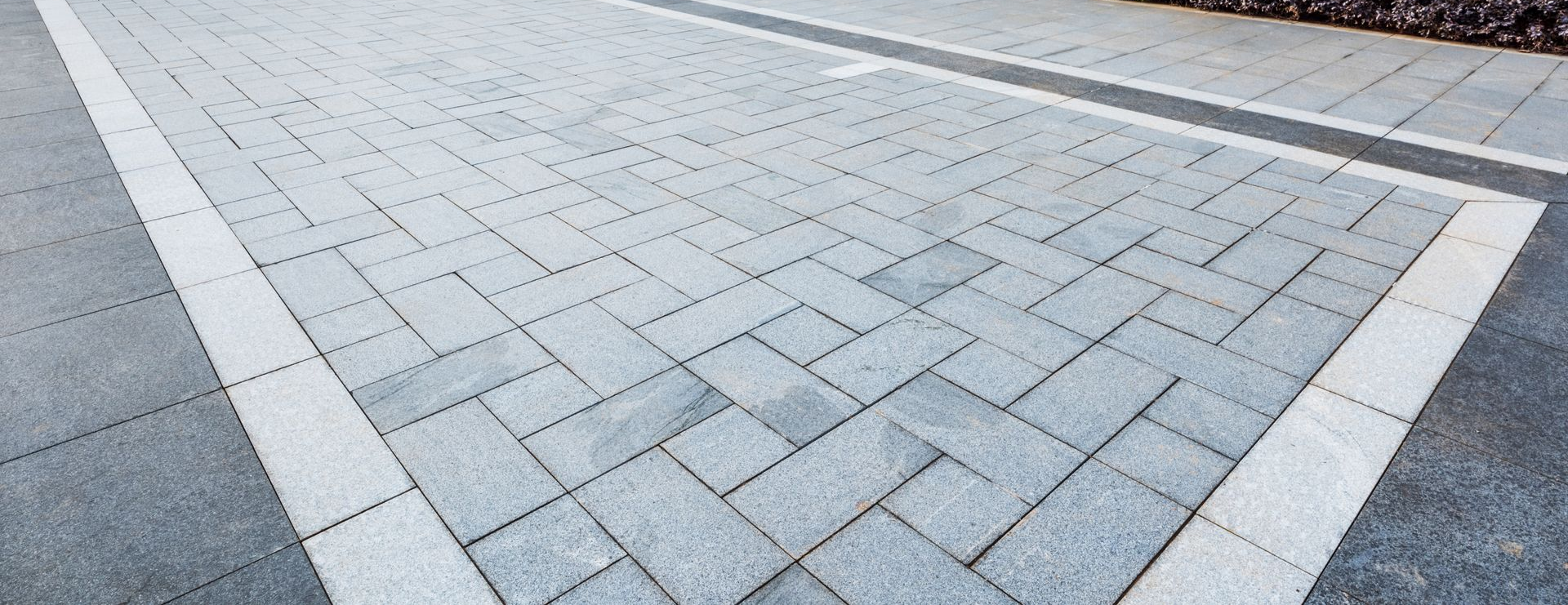
Permeable pavers are designed to allow water to pass through the joints and into a specially engineered stone base below. Instead of directing runoff across the surface, these systems let water naturally percolate into the ground. This reduces pooling, surface runoff, and strain on traditional drainage systems.
They’re an excellent option for properties where impervious coverage is limited. Different townships have different requirements—some allow up to 50% permeable coverage, while others limit it to 35% or less. If you’re unsure what applies to your property, call T&M. We’ll research your local requirements and design the best possible solution for your space.
How Permeable Pavers Work
Unlike standard paver systems, permeable pavers are installed using an open-graded base system that allows water to move freely through the structure. In fact, many leading paver manufacturers now require open-graded base installations as the standard method to maintain warranty compliance.
At T&M, our permeable paver installations typically include:
- 12 inches of excavation minimum (Soil dependant)
- Stabilization fabric at the base to prevent soil migration
- 9–10 inches of clean ¾” bluestone for structural support and drainage
- 1–2 inches of ¼” chip stone for precise screeding
The key difference is what goes between the joints. Traditional pavers use polymeric sand, which locks the joints and sheds water. Permeable pavers use clean ¼” aqua rock, allowing water to pass directly through the surface and into the base below. This process eliminates surface pooling, prevents puddling, and reduces directed runoff.
When Are Permeable Pavers Necessary?
Permeable pavers are often required in areas where traditional drainage isn’t feasible. This can include properties with limited runoff paths due to:
- Tight lot lines
- Nearby structures
- Neighboring properties
- Existing elevations and topography
- Space constraints
In these situations, permeable systems provide a built-in drainage solution by managing water vertically rather than horizontally. This makes them ideal for walkways, patios, driveways, and tight backyard spaces where conventional runoff solutions simply won’t work.
Designed the Right Way with T&M Landscaping Services
At T&M, we don’t believe in cookie-cutter installs. Every permeable paver project begins with a full property evaluation, including elevation checks, grading analysis, and runoff planning. Our goal is to design a system that works with your land, complies with local regulations, and lasts for years to come.
Permeable pavers aren’t just a smart option—they’re often the only option when space, regulations, or drainage limitations come into play.
If you’re considering a permeable paver system or need help navigating local coverage requirements, contact T&M Landscaping Services today. We’ll handle the research, design, and installation—so you don’t have to.